Skip to content

Lawn Care Tips for Lubbock

Practical advice from the Mowin N Goin crew to keep your yard green, healthy, and stress-free.

When to Aerate Your Lawn in Lubbock (and Why It Matters)

Lubbock's clay-heavy soil and long hot summers are tough on grass. Over time, soil gets compacted — water and nutrients can't reach the roots, and your lawn starts to thin out no matter how often you water. That's where aeration comes in.

What aeration does: It pulls small plugs of soil out of your lawn, opening up space for air, water, and fertilizer to reach the roots. The result is thicker, greener, more drought-resistant grass.

Best time to aerate in Lubbock: For warm-season grasses like Bermuda — the most common lawn type around here — the ideal window is late spring through early summer (May–June), when the grass is actively growing and can recover quickly. Cool-season grasses do better with a fall aeration.

How often? Most Lubbock lawns benefit from aeration once a year, especially with heavy clay soil or a lawn that gets a lot of foot traffic.

DIY or hire it out? Rental aerators are heavy and awkward, and timing matters. We include seasonal aeration as part of our lawn care service and handle the timing for you.

Want your lawn aerated this season? Get a free price in seconds with our online Instant Quote tool, or call or text 806-853-7445.

The Best Grass Types for Lubbock's Climate

Not all grass survives a West Texas summer. If you're reseeding, patching bare spots, or starting a new lawn, picking the right grass type saves you water, money, and frustration. Here are the top performers for the Lubbock area:

1. Bermuda Grass

The most popular choice in Lubbock for good reason. It's heat- and drought-tolerant, handles foot traffic well, and recovers fast. The trade-off: it needs full sun and goes dormant (brown) in winter.

2. Buffalo Grass

A native Texas grass that's incredibly drought-tolerant and low-maintenance. Great if you want to cut down on watering. It's finer and softer but doesn't handle heavy traffic as well as Bermuda.

3. Zoysia

Dense, lush, and good at crowding out weeds. More tolerant of light shade than Bermuda, but slower to establish and a bit thirstier.

What about winter color?

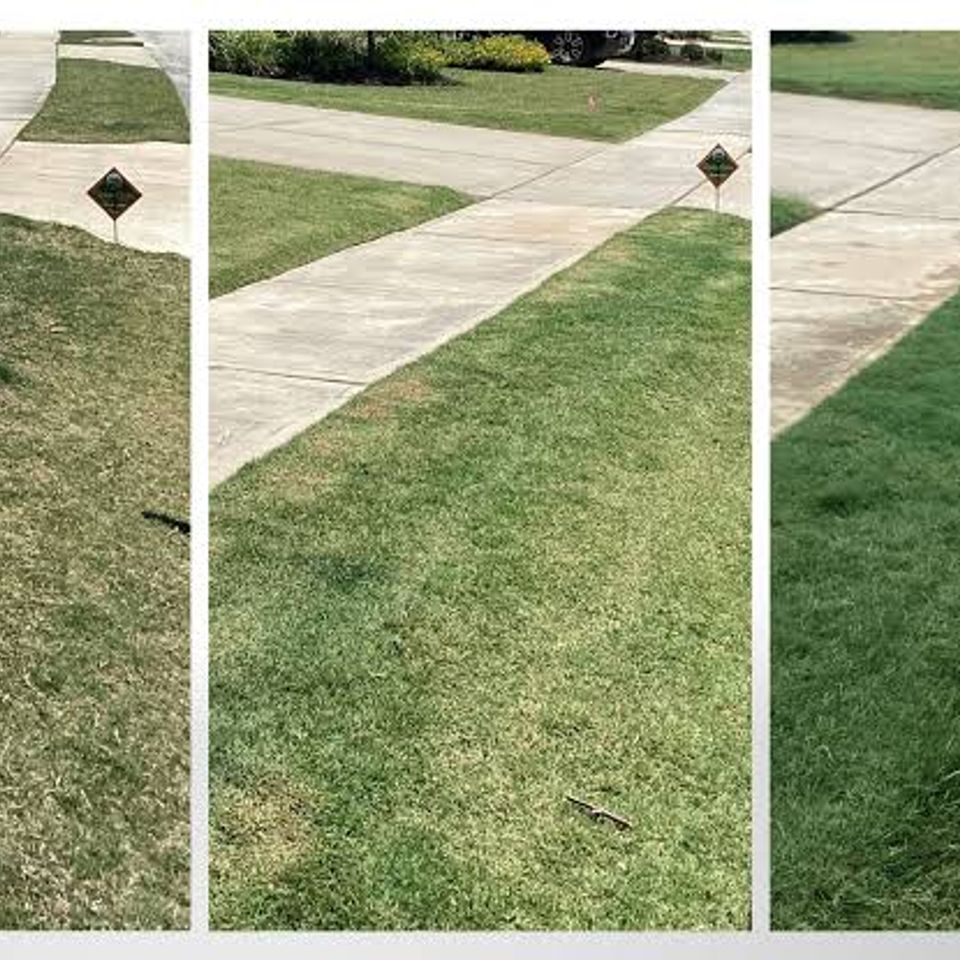
All of these go dormant and turn brown in Lubbock's cold months. If you want green year-round, ask us about lawn pigmentation — a safe, professional-grade dye that keeps dormant grass looking lush through winter.

Not sure what's growing in your yard or what would work best? Get a free price with our online Instant Quote tool, or call or text 806-853-7445 to talk it through.

How Often Should You Mow Your Lawn in the Summer?

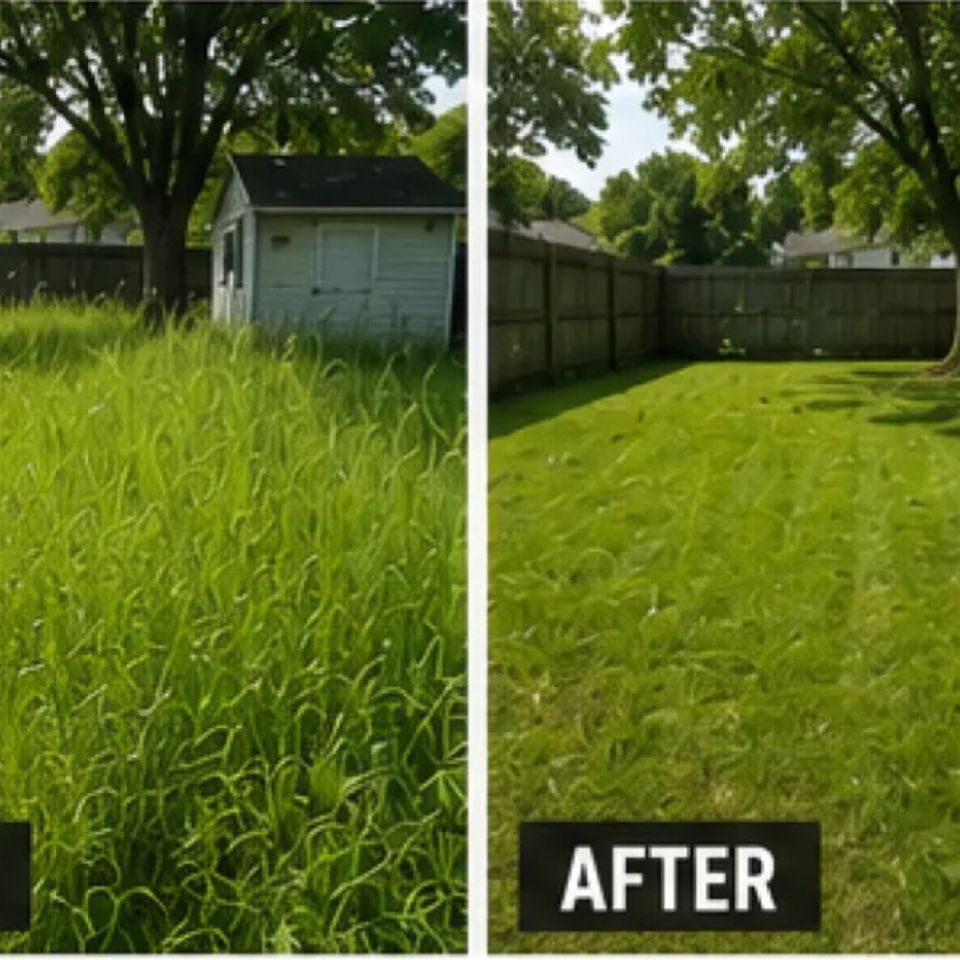
One of the most common questions we get from Lubbock homeowners: "How often do I really need to mow?" Mow too little and your lawn gets stressed and weedy; mow too much (or too short) and you scorch it in the Texas heat. Here's the simple guide.

The one-third rule

Never cut more than one-third of the grass blade's height at once. Cutting too short stresses the roots and invites weeds and brown spots — a big problem in our summer heat.

Summer mowing frequency

During peak growing season (roughly May through September), most Lubbock Bermuda lawns need mowing once a week. In the hottest, driest stretches, growth slows and you may stretch to every 10 days.

Raise your mower in summer

Taller grass shades its own roots and holds moisture better — exactly what you want when it's 100°+. We keep blades sharp and heights dialed in for the season so your lawn stays healthy, not stressed.

The easy option: Weekly maintenance means you never have to track any of this. We show up the same day each week, and your yard is always ready. Get a free price with our online Instant Quote tool, or call or text 806-853-7445.